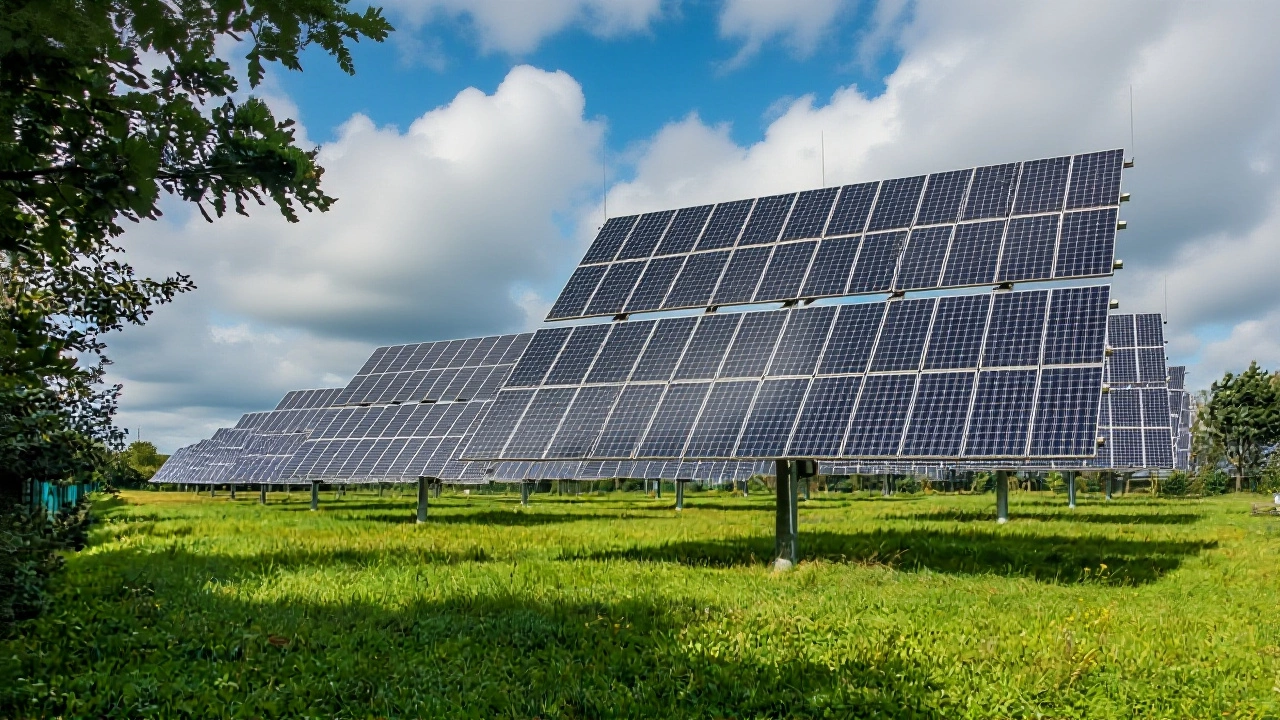
Installing a solar power system isn't a one-and-done deal. That’s the blunt reality highlighted in recent guidance from ABP Live, which warns homeowners that neglecting seasonal maintenance can severely cripple energy output. Whether it’s scorching summer heat or heavy winter snow, your panels need active care to keep generating electricity efficiently.
Here’s the thing: most people assume solar panels are indestructible robots that just work forever. Turns out, they’re more like high-performance cars—they need regular check-ups. If you install them and walk away, you’re likely losing money on potential savings without even realizing it.
The Summer Heat Trap
When temperatures soar, solar panels face a paradox. They love sunlight, but they hate extreme heat. Excessive warmth actually reduces their efficiency—a phenomenon known as temperature coefficient loss. According to the advice published by ABP Live, monitoring your system’s output during these months is non-negotiable.
If you notice a dip in generation numbers, don’t shrug it off. It could signal dust accumulation, loose connections, or shading issues. But there’s another critical factor: ventilation. Panels need airflow underneath them to cool down. If your roof installation blocks air circulation, the panels overheat, and performance tanks. Ensure there’s adequate space between the panel and the roof surface for air to flow freely.
Winter Woes and Snow Management
For residents in colder regions, especially hilly areas, winter brings a different set of challenges. Snow cover blocks sunlight entirely, stopping production dead in its tracks. The solution? Angle adjustment. If possible, tilt your panels to a steeper angle before heavy snowfall. This allows snow to slide off naturally rather than accumulating into thick, insulating blankets.
But wait—don’t grab a shovel or any sharp object to clear the snow yourself. This is a major no-no. Scratching the glass surface with sharp tools can cause micro-fractures that lead to permanent damage and void warranties. Instead, use soft brushes or let gravity do the work. After any significant snowfall, perform a visual inspection to ensure frames and wiring haven’t been compromised by weight or ice.
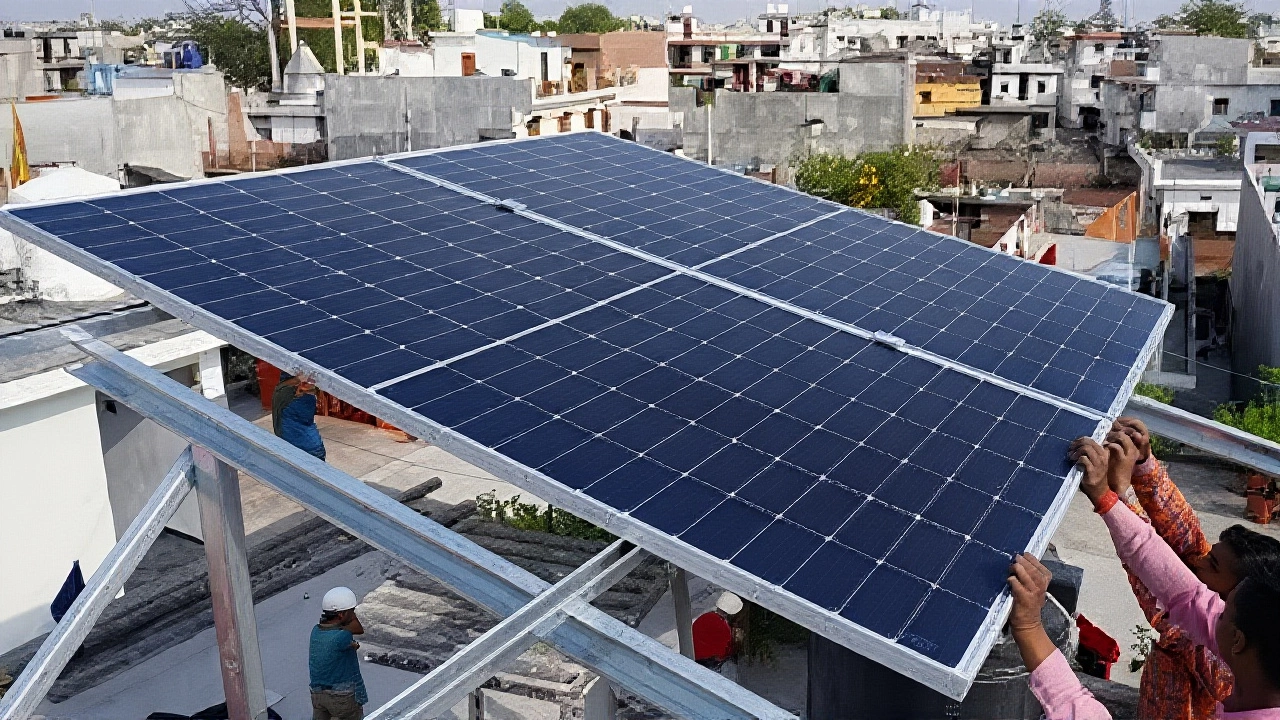
Debunking Common Myths
Why do so many people hesitate to go solar? A separate blog post by Loom Solar titled “Why Aren’t People Installing Solar?” sheds light on persistent misconceptions. Many believe solar only works in blazing sun. Others worry about rain, fog, or cloud cover.
Interestingly, modern photovoltaic cells generate electricity from diffuse light too—not just direct beams. While output drops on cloudy days, it doesn’t hit zero. In places like Jammu and Kashmir, where snow and shorter daylight hours are common, proper angle optimization and clean surfaces make solar viable year-round. The hesitation often stems from lack of knowledge, not technical limitations.
Why This Matters Now
With rising electricity costs and increasing environmental awareness, solar adoption is accelerating across India. Yet, without proper upkeep, systems degrade faster than expected. Industry experts suggest that unclean panels can lose up to 25% of their efficiency due to dust and debris alone. Regular cleaning—every few months depending on local pollution levels—and seasonal checks can preserve this lost capacity.
This isn’t just about saving pennies; it’s about maximizing return on investment. A well-maintained system lasts longer, generates more consistent power, and requires fewer costly repairs down the line. Think of it as preventive healthcare for your home’s energy infrastructure.
Frequently Asked Questions
How often should I clean my solar panels?
Generally, every 6–12 months is sufficient for most residential systems. However, if you live in dusty, polluted, or bird-heavy areas, quarterly cleaning may be necessary. Always use water and a soft brush—never abrasive materials or harsh chemicals.
Can I remove snow from solar panels myself?
Yes, but carefully. Use a soft-bristled broom or specialized snow rake designed for solar panels. Never use metal shovels, ice picks, or pressure washers, as these can scratch or crack the glass. Adjusting the panel angle beforehand helps snow slide off naturally.
Do solar panels work in cloudy or rainy weather?
Yes, though at reduced capacity. Modern panels capture diffuse sunlight, so they still generate power on overcast days. Rain can also help clean dust off the surface, acting as a natural rinse. Output might drop to 10–25% of peak, but it’s never zero.
What signs indicate my solar system needs professional inspection?
Sudden drops in energy production, visible cracks or discoloration on panels, burnt smells near inverters, or error codes on your monitoring app are red flags. Schedule an annual professional check-up to catch electrical faults or mounting issues early.

Write a comment