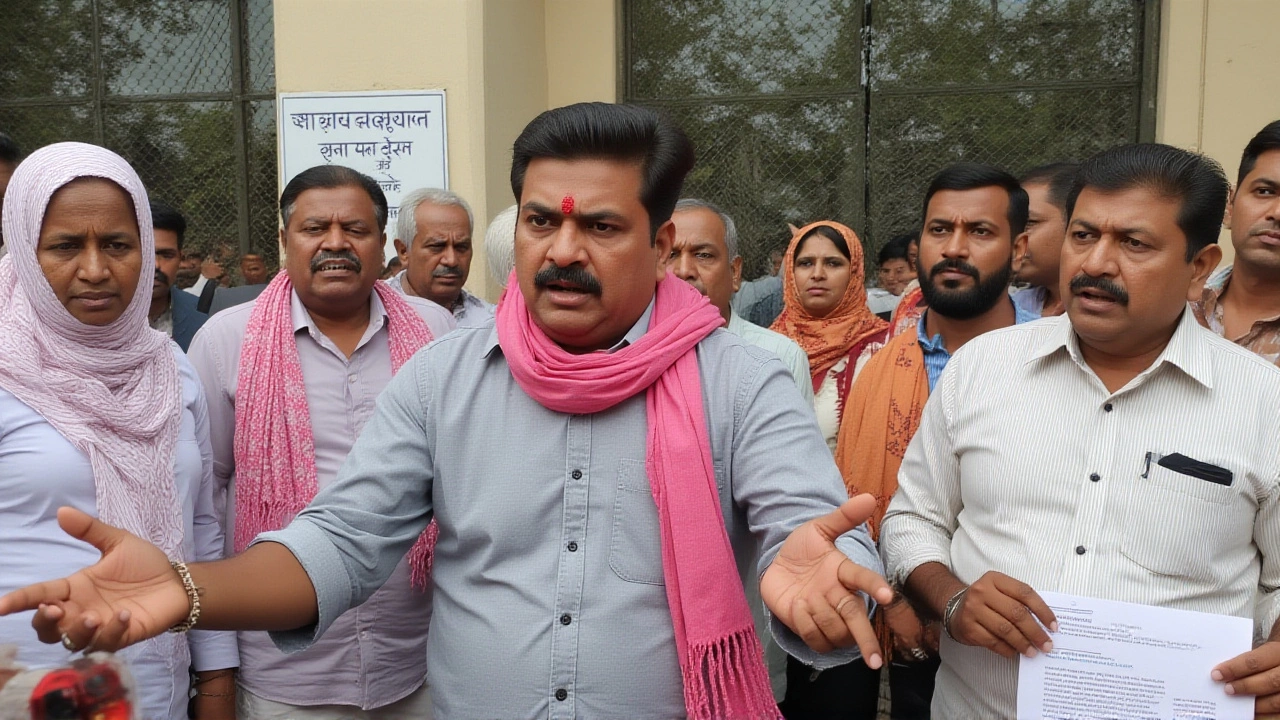
When Samajwadi Party workers stormed the district magistrate's office earlier this week, they weren't just shouting slogans. They were delivering a formal ultimatum directly to the state's highest constitutional authority.
The protest took place across multiple districts in Uttar Pradesh, specifically targeting incidents that occurred on April 27, 2026, in Ghazipur and Hardoi. Instead of waiting for political rhetoric to trickle down through bureaucratic channels, party leaders handed over a memorandum addressed to Anandiben Patel, Governor of Uttar Pradesh.
Here’s the thing about Indian political protests: the destination often matters more than the route. By routing their grievance through the District Magistrate (DM) but addressing it to the Governor, the SP is bypassing the elected state government entirely. It’s a strategic move designed to highlight what they perceive as administrative failure or injustice at the local level, while invoking the constitutional safeguard of the Governor’s office.
The Strategic Bypass
Why go to the Governor? In India’s federal structure, the Governor acts as the nominal head of the state, appointed by the President. While largely ceremonial, the office holds significant reserve powers, especially when opposition parties feel the state administration is biased or unresponsive.
The memorandum was submitted via the district administration, a procedural step that ensures an official record exists. This isn’t just about making noise; it’s about creating a paper trail. If the state government ignores the issue, the SP can later argue that they escalated the matter to the highest possible level. It’s a classic pressure tactic.
"We are not just protesting; we are documenting," said one party spokesperson, echoing the sentiment seen in similar actions across the state. The lack of specific details regarding the nature of the incidents in Ghazipur and Hardoi suggests that the broader narrative—government negligence—is the real story here, rather than the isolated events themselves.
Context: A Pattern of Escalation
This isn’t an isolated incident. The Samajwadi Party has been ramping up its agitation strategy throughout 2026. Earlier reports indicated a planned statewide protest on September 21, where similar memorandums were to be handed over in every district.
Nareesh Uttam Patel, State President of Samajwadi Party, announced these plans back in late summer, signaling a coordinated effort to keep pressure on the ruling administration. The April protests in Ghazipur and Hardoi appear to be part of this larger, rolling campaign of dissent.
The timeline is crucial. With elections potentially looming in the near future, every public action by the SP is calibrated to maximize visibility. By linking local grievances in districts like Ghazipur and Hardoi to a statewide strategy, they aim to paint a picture of systemic failure across Uttar Pradesh.
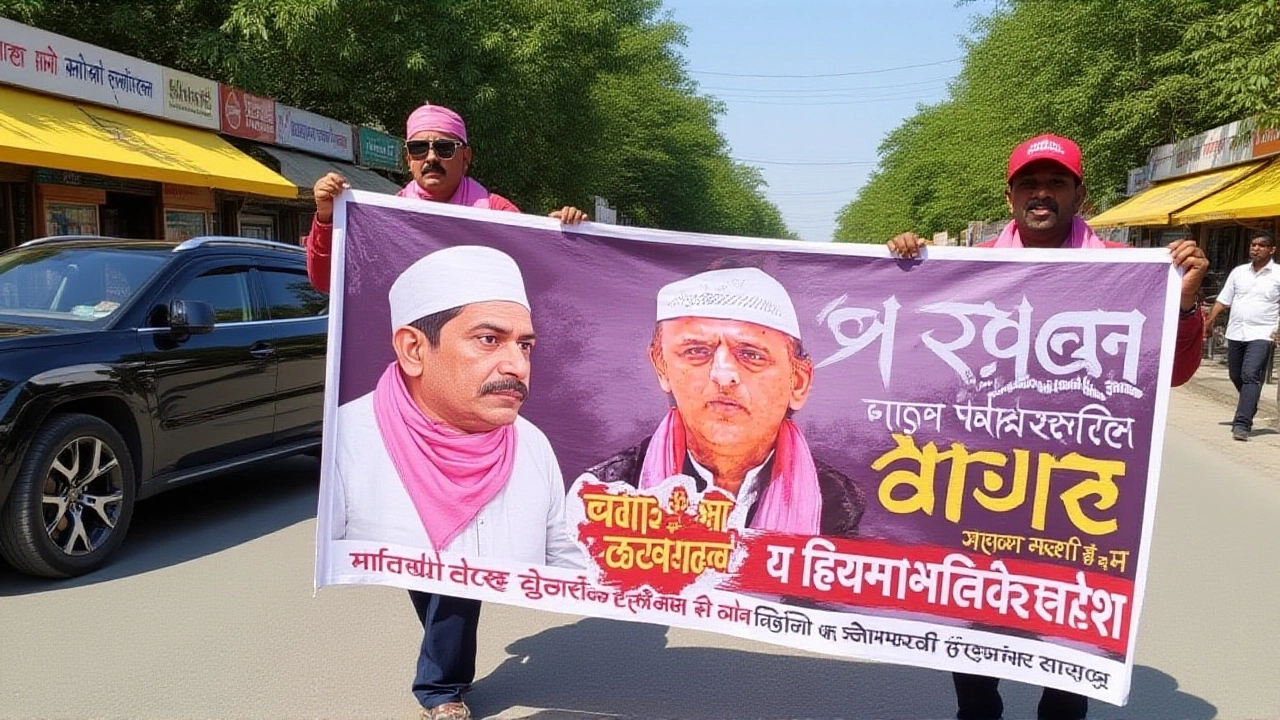
The Ground Reality: Ghazipur and Hardoi
While the exact nature of the incidents on April 27 remains somewhat opaque in initial reports, both Ghazipur and Hardoi have historically been flashpoints for political tension. Ghazipur, with its industrial zones and dense population, often sees clashes related to land rights and law and order. Hardoi, a politically sensitive region, frequently becomes a stage for high-profile confrontations between rival parties.
In both cases, the presence of SP workers at the DM’s office indicates that local party units felt compelled to act immediately. The speed of the response—protesting shortly after the April 27 incidents—suggests that these were not pre-planned demonstrations but reactive measures to specific triggers on the ground.
What makes this particularly interesting is the use of the media panel. The SP maintains a structured network of media representatives across districts, including names like Abbas Haider in Lucknow and Abdul Hafiz Gandhi in Kasganj. These individuals ensure that local protests get amplified into statewide news stories almost instantly.
What Happens Next?
The ball is now in the Governor’s court. Technically, Anandiben Patel will review the memorandum. However, Governors rarely intervene directly in day-to-day administrative disputes unless there is a clear constitutional crisis or breakdown of law and order.
More likely, the state government will issue a standard reply denying the allegations or claiming that appropriate legal action has been taken. But for the SP, the goal wasn’t necessarily to get a favorable ruling from the Governor. The goal was to force the issue into the public domain.
If the pattern continues, expect more such memorandums leading up to any major electoral cycle. The September 21 date mentioned by Nareesh Uttam Patel remains a key marker to watch. Will it bring out larger crowds? Will other opposition parties join? That will determine whether this is a localized grumble or the start of a broader movement.
Frequently Asked Questions
Why did the Samajwadi Party address the memorandum to the Governor instead of the Chief Minister?
Addressing the Governor is a strategic political move to bypass the elected state government, which is typically led by the opposing party. It signals that the opposition believes the state administration is compromised or unresponsive, invoking the constitutional role of the Governor as a neutral arbiter. This forces the issue onto a higher platform and creates a formal record of grievance that cannot be easily ignored.
What exactly happened in Ghazipur and Hardoi on April 27, 2026?
Specific details regarding the nature of the incidents on April 27 are not fully disclosed in the initial reports. However, the protests suggest that local communities or party workers perceived a significant injustice or administrative failure. Both districts are known for political sensitivity, implying the incidents likely involved law and order issues, land disputes, or alleged police excesses that triggered immediate local outrage.
Who is Nareesh Uttam Patel and what is his role in this protest?
Nareesh Uttam Patel is the State President of the Samajwadi Party in Uttar Pradesh. He plays a key organizational role in coordinating statewide protests and media strategies. He previously announced plans for widespread demonstrations on September 21, indicating that the current protests in Ghazipur and Hardoi are part of a larger, organized campaign of dissent against the state government.
Will the Governor take direct action on this memorandum?
It is unlikely that Governor Anandiben Patel will take direct executive action. The Governor’s role is largely ceremonial and advisory. Typically, such memorandums are forwarded to the state government for a response. The primary purpose of submitting the memo is political—to generate publicity and pressure the administration—rather than to seek immediate judicial or administrative intervention from the Governor’s office.

Write a comment